
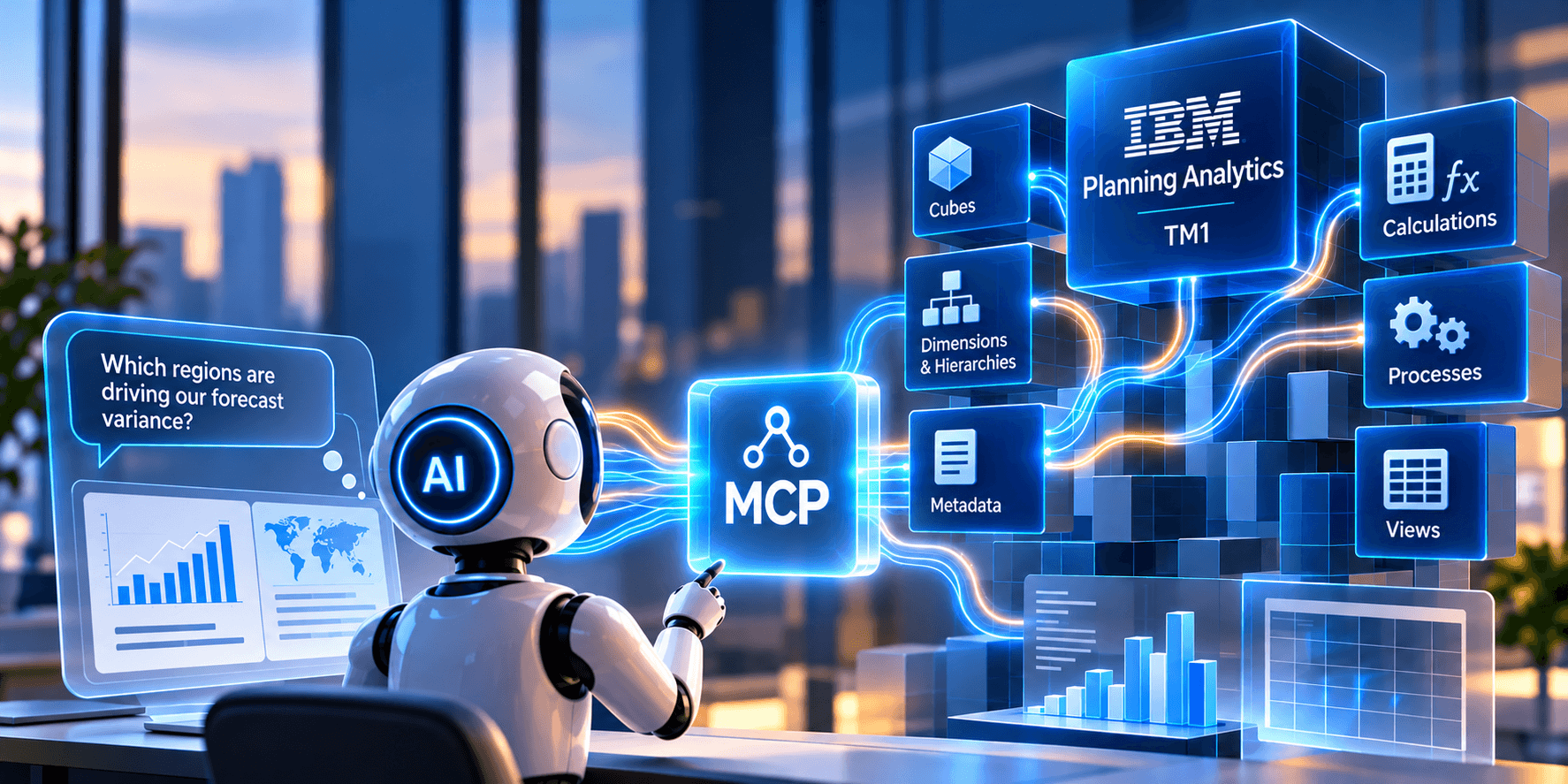
IBM Planning Analytics + MCP: What It Means for the Future of TM1
Artificial intelligence can analyze data, but enterprise planning requires something more: business context.
Artificial intelligence can analyze data, but enterprise planning requires something more: business context.

Overview Artificial intelligence is changing how people interact with enterprise technology. But planning presents a unique challenge: an AI assistant may understand forecasting or analyze a spreadsheet, but it does not automatically understand your company's revenue model, workforce assumptions, business rules, or ...

CFOs and Controllers increasingly want two things from NetSuite: more flexible reporting and more trustworthy reporting. Management may want cash-basis financials, project profitability, cost allocations, or other views that differ from the primary accounting book. At the same time, Finance still needs those numbers ...
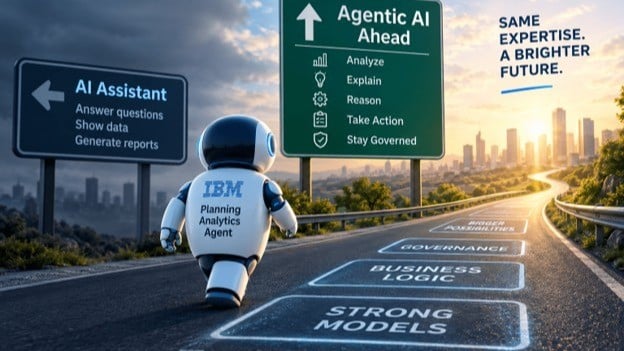
IBM Planning Analytics has long been known for the power of its TM1 multidimensional engine. But IBM’s latest AI direction suggests the platform is evolving beyond traditional modeling, forecasting, and reporting toward something more autonomous: agentic planning.

Integrated Business Planning (IBP) helps organizations connect financial and operational planning across the business. But even the most advanced planning technology is only as effective as the data behind it.
Implementing NetSuite Planning and Budgeting (NSPB) is more than a software configuration project. For many organizations, it is a chance to replace spreadsheet-driven budgeting with a more collaborative, controlled, and scalable planning process.

Overview Building an enterprise planning model traditionally starts with requirements gathering, architecture design, data configuration, formulas, and dashboards. Pigment’s Modeler Agent introduces a different starting point: describe what you want to build, and AI can help turn that intent into the foundation of a ...

How Pigment supports connected workforce planning by bringing Human Resources and Finance into a single shared platform.
Most finance teams are managing their P&L, Cash Flow and Balance Sheet across separate systems and spreadsheets, maintained by different groups, and updated on different schedules with different assumptions and inputs.
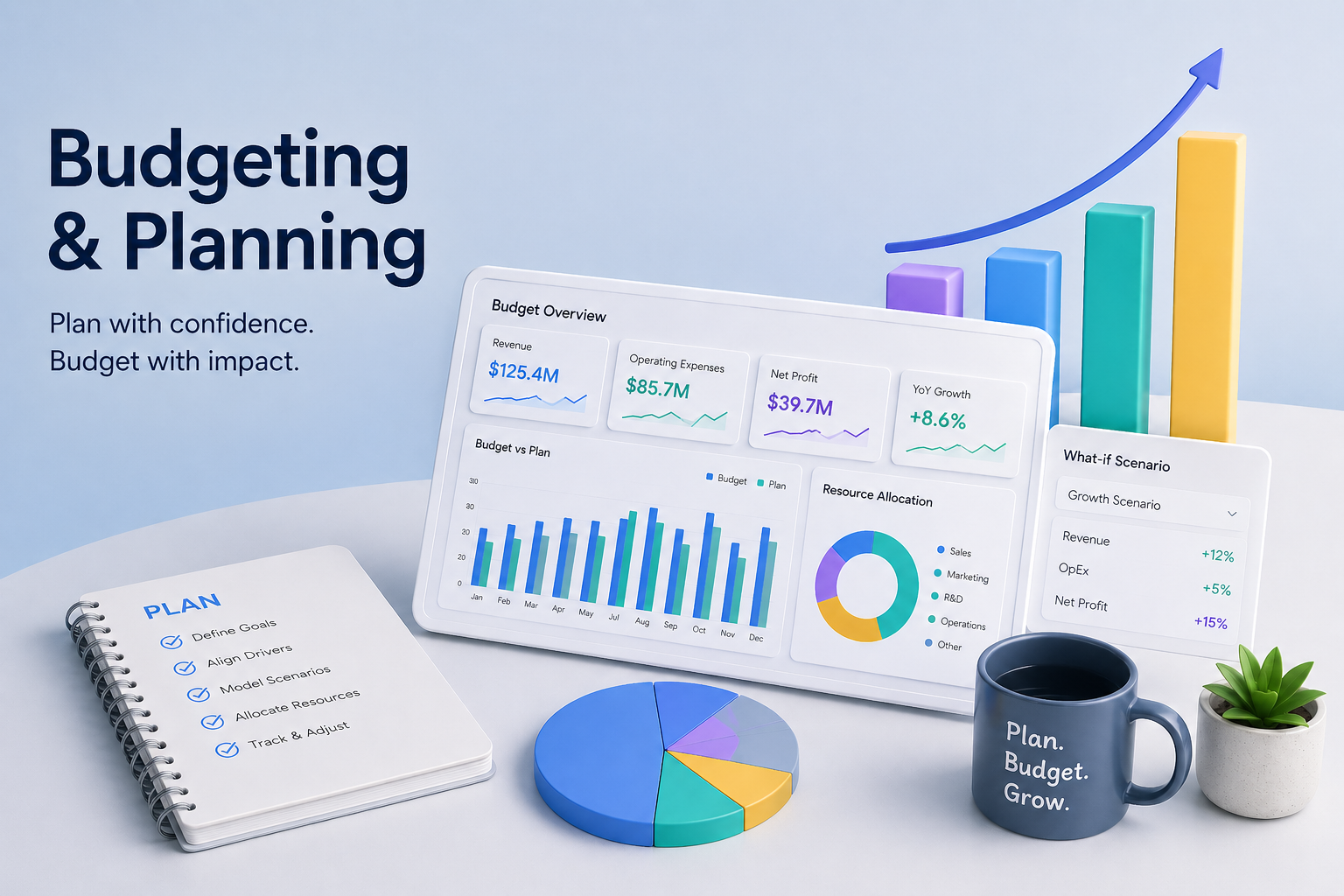
Why financial budgeting and planning in Pigment means your plan moves as fast as your business does. Picture this. It's February. Your team spent the better part of Q4 building the annual budget. Countless spreadsheet versions, cross-functional alignment meetings, approval chains that stretched into December. The ...
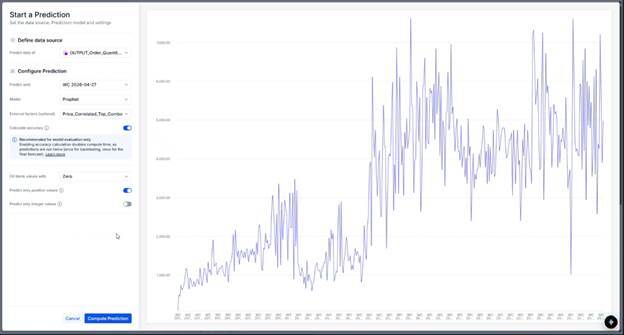
Planning teams have long wrestled with a familiar problem: forecasts that are painstakingly built in spreadsheets, disconnected from live data, assumption-based and inaccurate, and outdated by the time they reach a decision maker’s desk. Pigment’s Predictions feature was designed to solve that and takes it a step ...

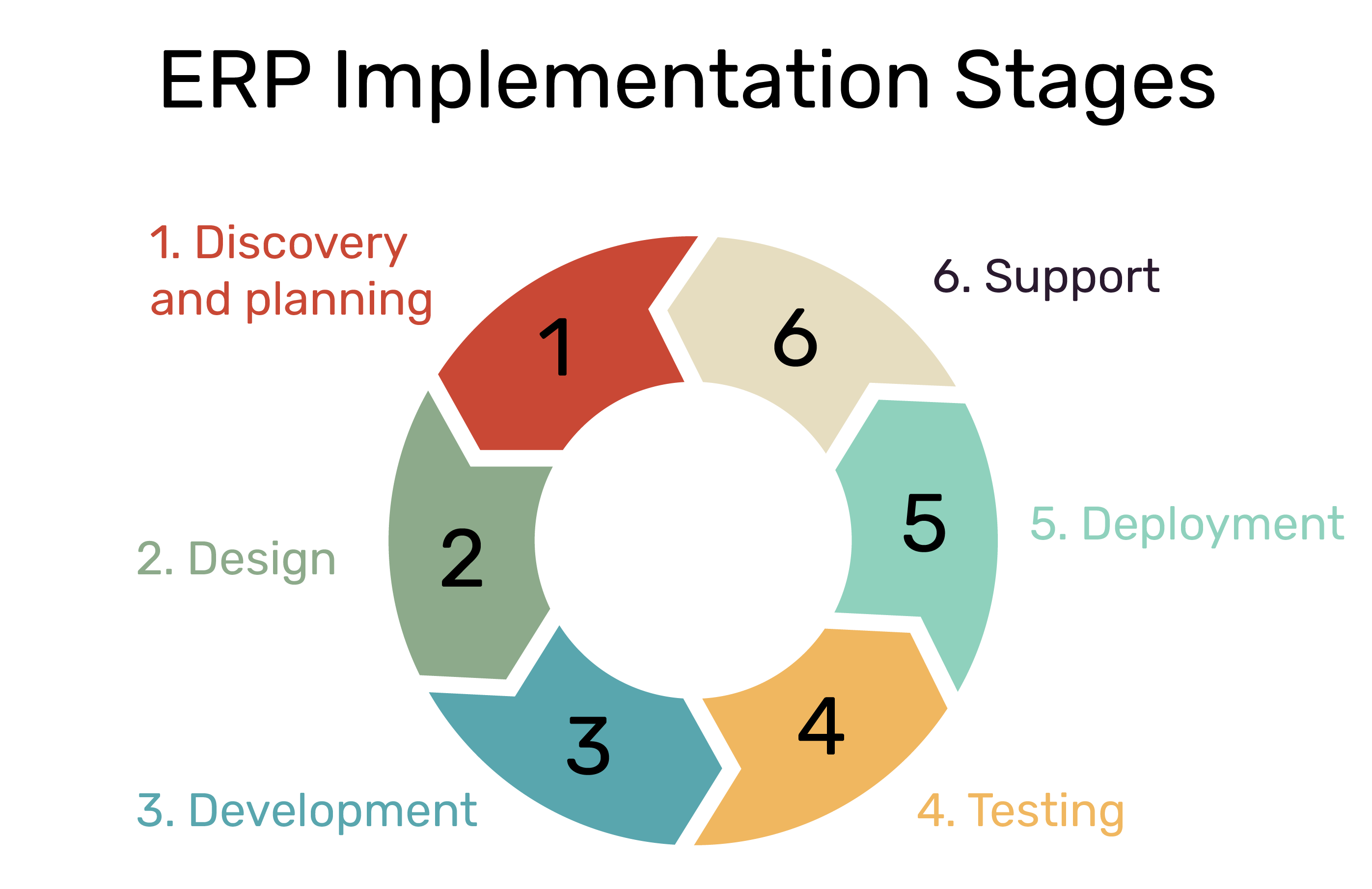
What’s the Difference and Why It Matters Enterprise Resource Planning systems sit at the center of how modern businesses run. But not every ERP initiative is created equal. Some organizations are launching a new platform for the first time. Others are trying to get more value from a system they already own.
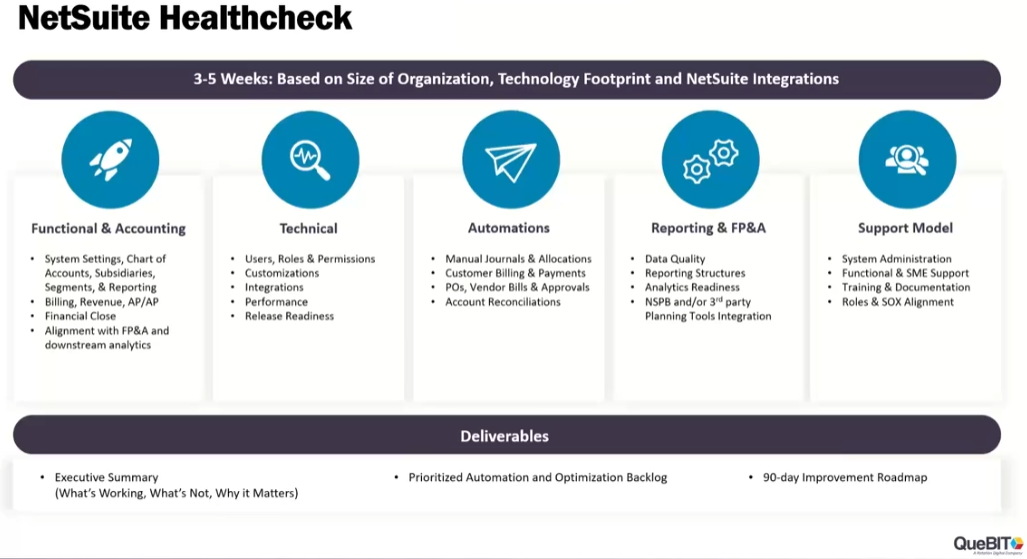
Why a Health Check Matters More Than Ever

Ecommerce continues to grow at a staggering pace. With the global ecommerce platform market expected to jump from $8.09B in 2025 to more than $21B by 2033, organizations are racing to keep up with rising customer expectations, omnichannel demands, and increasingly complex digital operations.

Banks are under more pressure than ever to deliver products and services that meet evolving customer needs while maintaining profitability. For commercial banks, this means having a clear, data-driven understanding of the full profitability of each corporate relationship.
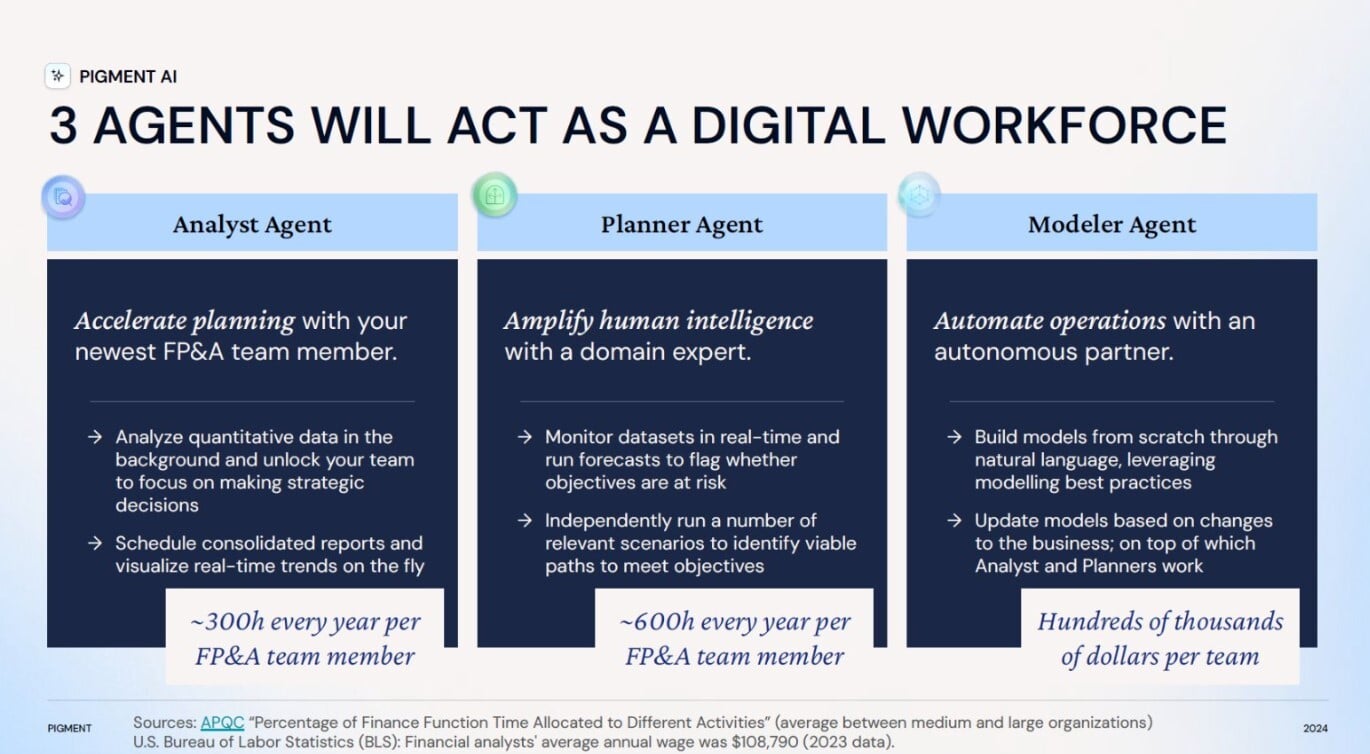
The role of Finance is changing fast. No longer just scorekeepers, today’s FP&A teams are expected to act as strategic partners, influencing revenue growth, managing profitability and guiding operational decisions across the business. But there’s a problem: most finance teams are still buried in manual work.
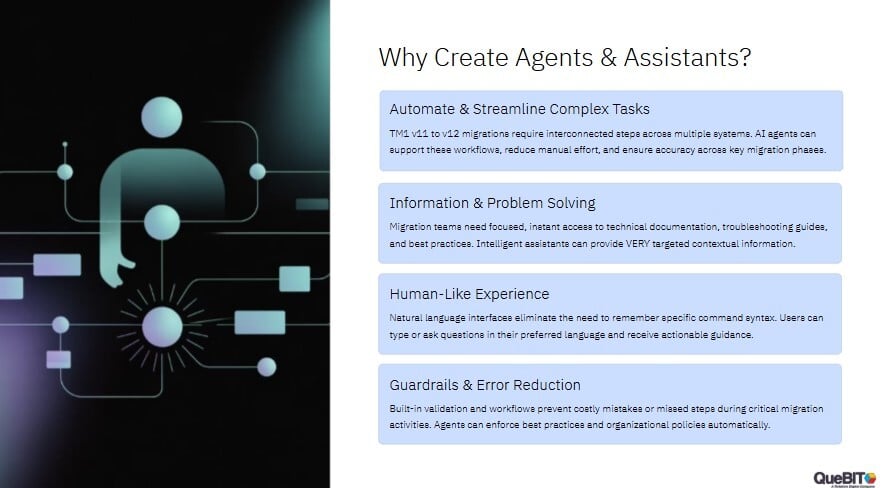
For anyone running Planning Analytics or TM1, the decision to modernize and migrate to TM1 Version 12 (TM1 v12, or PA SaaS) isn’t about taking advantage of new features. It’s about preparing for what breaks along the way.

Manufacturers are under constant pressure to increase efficiency, reduce waste, and adapt to rapidly shifting demand. Traditional methods of production planning are no longer sufficient. AI-powered manufacturing analytics is emerging as a game-changing solution, helping manufacturers transform data into decisions and ...

Every decision from hiring to tech investment has long-term implications. But few decisions are as foundational as the platform you use to plan. Whether you're forecasting revenue, managing inventory, or aligning sales and operations, the planning platform you choose can either support your growth or stand in its way.

Financial forecasting has always been a delicate balance of data, judgment, and assumptions. Relying on spreadsheets and intuition is no longer enough. To stay competitive, organizations need accurate, agile, and reliable forecasts and that’s where Artificial Intelligence (AI) steps in.
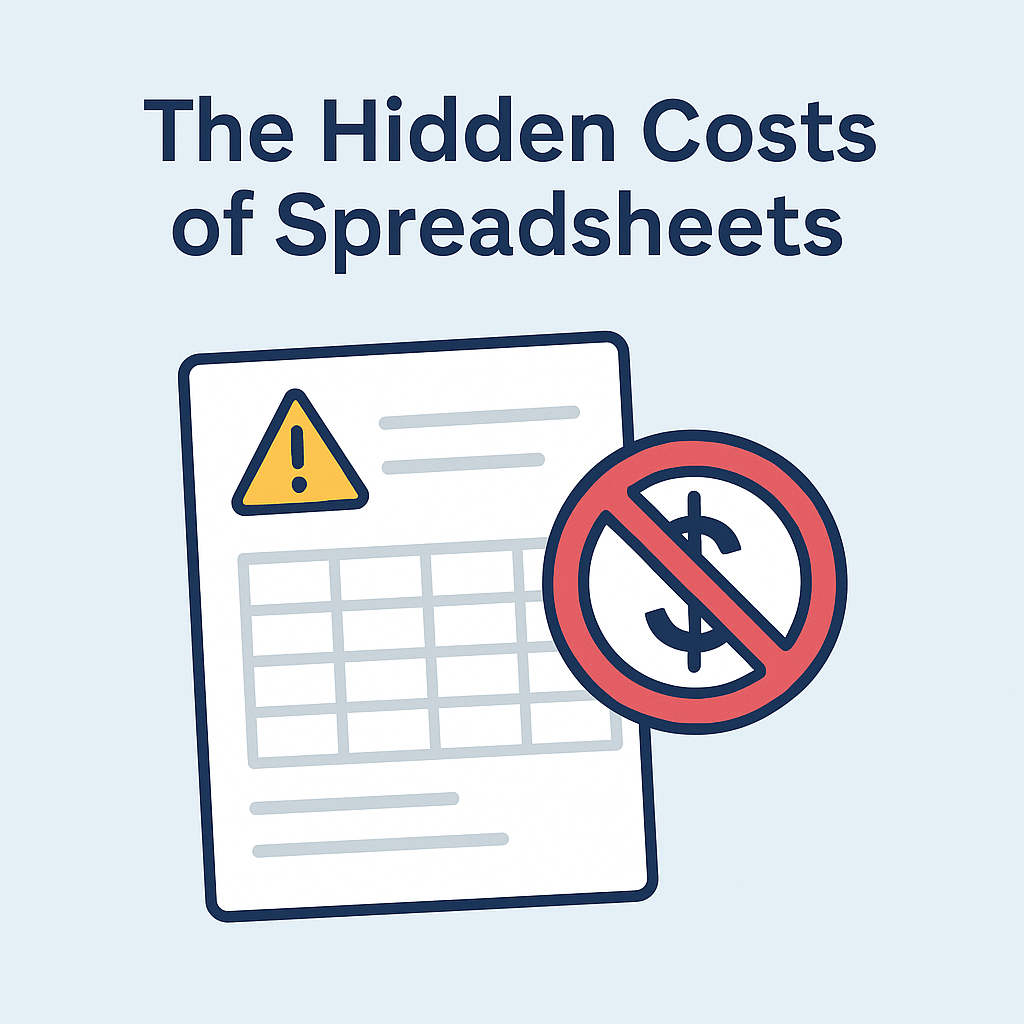
Spreadsheets are everywhere. They're familiar, flexible, and often the first tool businesses reach for when managing budgets, forecasts, and reports. But as companies grow more complex, spreadsheets start showing their limits—and those limits come at a cost.
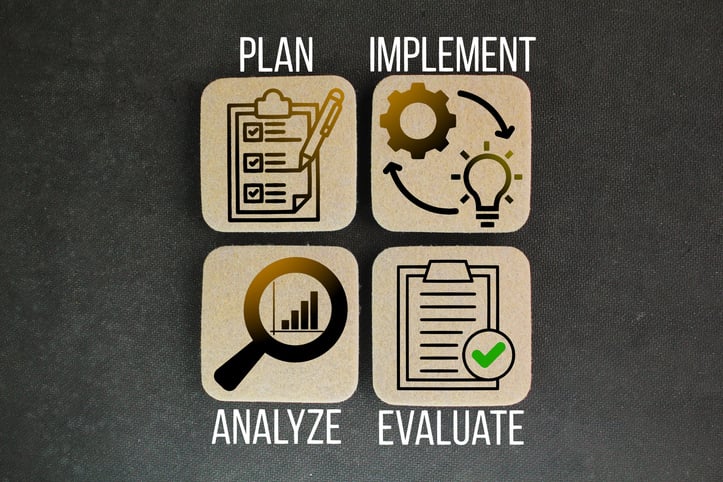
Business planning has come a long way from spreadsheet-driven forecasts and static annual budgets. In a world shaped by volatility—from supply chain disruptions and shifting consumer behavior to economic uncertainty—the ability to plan with speed and agility isn’t just a nice-to-have; it’s a competitive advantage.

Integrated Business Planning (IBP) has emerged as a strategic imperative for companies seeking to align finance, operations, and supply chain planning. But IBP itself is evolving. In a world defined by constant disruption, market volatility, and shifting consumer expectations, organizations are recognizing that ...
We are proud to announce that QueBIT has successfully achieved SOC 2 Type 1 compliance, underscoring our continued commitment to security, reliability, and trust.

Accurately predicting customer demand has always been a cornerstone of effective business planning. Yet traditional forecasting methods often fall short in today’s fast-changing environment—where shifting customer preferences, supply chain disruptions, and economic volatility are the new norm. That’s where AI-powered ...

Scenario planning has become essential for supply chain leaders aiming to maintain resilience and agility. Traditional planning methods often struggle to adapt quickly enough to dynamic market shifts, leading to inefficiencies, disruptions, and lost opportunities. Enter Artificial Intelligence (AI) – a game changer ...
Traditional planning processes often operate in silos—finance, supply chain, sales, and operations each working independently. This fragmented approach leads to inefficiencies, misaligned goals, and a lack of agility when responding to market changes. Integrated Business Planning (IBP) is transforming how ...

The Consumer-Packaged Goods (CPG) industry is one of constant flux. Shifting consumer preferences, seasonal trends, and external disruptions make demand planning a complex and ever-changing challenge. For businesses in this sector, staying ahead of demand volatility is not just a goal but a necessity for maintaining ...

The technology industry is a hub of innovation and rapid growth, but it’s not without its challenges. From managing subscription-based revenue to adapting to dynamic cost structures, companies in SaaS, social media, and online dating platforms face significant hurdles. At QueBIT, we’ve developed tailored planning ...

The insurance industry faces a multitude of challenges: shifting regulations, economic volatility, changing customer needs, and the constant threat of disruptive events. In such an unpredictable landscape, insurers must be prepared to adapt quickly and make data-driven decisions that protect profitability while ...

With evolving global trade policies, it’s wise to plan now for the possibility of increased tariffs in 2025 and beyond. For businesses, the impact from tariffs could be profound, influencing costs, prices, cash flow, and competitive positioning. Companies that leverage scenario planning to anticipate these changes ...

Staying competitive requires more than just keeping up with industry trends; it demands agility and responsiveness from Financial Planning & Analysis (FP&A) teams. This is where cycle times—the length of time it takes to complete a single financial planning cycle—come into play. Faster cycle times are not just ...

Nonprofit organizations operate in an environment full of uncertainties. From unpredictable funding streams and changing donor priorities to external factors like economic downturns and evolving community needs, nonprofits are often forced to navigate a landscape in constant flux. In such an environment, traditional ...

Nonprofit organizations face a unique set of challenges: limited resources, fluctuating funding streams, and the need to prove impact to donors and stakeholders. While these challenges are nothing new, the tools available to solve them have evolved rapidly in recent years, thanks in large part to advancements in ...

Last week, I had the privilege of attending the IBM TechXchange conference in Las Vegas along with several of my colleagues from QueBIT. The event was a whirlwind of innovative ideas, insightful presentations, and valuable networking opportunities. In this post, I'll share some key takeaways and exciting developments ...

Revolutionizing Strategic Decision-Making and Predictive Analytics The integration of AI forecasting within supply chain management is revolutionizing how organizations predict and respond to market demands. AI models can process vast amounts of data in real-time, providing precise and actionable insights that ...

Unlocking New Possibilities with Advanced Analytics

The ability to accurately predict demand is more critical than ever. The rapid evolution of demand planning has been shaped by technological advances, particularly in artificial intelligence (AI). Companies are increasingly turning to AI-powered demand forecasting tools to stay ahead of market fluctuations, minimize ...

Artificial Intelligence (AI) is no longer just a buzzword—it's a transformative force that’s reshaping industries, particularly in the realm of finance. As organizations seek to enhance their forecasting accuracy, improve decision-making processes, and drive overall financial strategy, the role of AI becomes ...

In the prior article, Part 1: IBM Satellite replacing the Secure Gateway, we discussed IBM’s change to how data is loaded through a VPN tunnel into Planning Analytics on Cloud, PAoC. The IBM Satellite replacement option should be ready later in August.

Beginning August 2024, IBM Planning Analytics on Cloud, PAoC, will begin replacing IBM Secure Gateway with IBM Satellite. The business problem that the Secure Gateway and Satellite tools solve is one of data security, specifically how to protect data in a hybrid environment with data in-transit between public and ...

Implementing AI in financial forecasting can revolutionize how businesses predict future trends, manage risks, and drive decision-making processes. This blog post provides a detailed step-by-step guide on integrating AI into your financial forecasting efforts, covering crucial phases from initial data collection to ...

In the ever-evolving world of cloud-based analytics, staying updated with the latest advancements is crucial. We are excited to announce an important update for IBM Planning Analytics on Cloud (PA Cloud) users. As of mid-September 2024, the Rich Tier Desktop will no longer be accessible. This transition marks a ...

The integration of Artificial Intelligence (AI) into financial strategies and operations marks a profound shift in how businesses approach forecasting, risk assessment, and decision-making. AI's role in the financial sector is far-reaching, impacting everything from macroeconomic predictions to individual credit risk ...

In AI-driven financial forecasting, the choice of accuracy metrics is critical to ensuring the reliability of predictive models. This blog explores the intricacies of popular accuracy metrics in the context of finance, emphasizing their implications and practical usage without relying heavily on bullet points for a ...

When implementing AI in financial forecasting, measuring the accuracy of your models is crucial. Metrics like Mean Absolute Error (MAE), Mean Squared Error (MSE), and Root Mean Squared Error (RMSE) provide different lenses through which to assess performance. Understanding these metrics can significantly impact how ...

The IBM Think 2024 event brought together industry leaders, innovators, and technology enthusiasts to explore the future of business technology. This year, the spotlight was on Watson and the integration of AI into existing products, showcasing how these advancements are transforming various sectors. Here’s a detailed ...

Holdout forecasts are a critical tool in AI forecasting, providing a robust method for validating the accuracy of predictive models. This technique involves dividing your data into two sets: one for training the AI and the other for testing its predictions. This approach helps ensure that your model can effectively ...

Artificial Intelligence (AI) and Machine Learning (ML) are reshaping the landscape of financial forecasting, providing tools that can significantly enhance accuracy and decision-making in finance. The integration of AI into financial forecasting isn't just a trend; it’s becoming a necessity as the complexity of the ...

For manufacturers in the electronics, C&P, automotive, A&D, and industrial products sectors, aligning operations with customer demand is not just a goal – it's a necessity. These organizations, typically with 1,000+ employees, face unique challenges in an environment where retaining and gaining customers is ...

In an increasingly volatile global market landscape, organizations are constantly faced with the challenge of aligning their strategic goals with operational capabilities. This alignment is crucial not only for survival but for thriving amidst uncertainties. Integrated Business Planning (IBP) emerges as a beacon of ...

The ability to streamline operations and align them with market demands is more crucial than ever. This is where Demand Planning, a critical subset of Integrated Business Planning (IBP), comes into play. It's not just a tool; it's a strategic approach that empowers businesses to make informed production, distribution ...

As businesses navigate through an era of technological advancements, IBM's WatsonX emerges as a pivotal force, especially in the field of Large Language Models (LLMs) and generative AI. This cutting-edge platform has the potential to revolutionize how organizations approach corporate planning and finance by leveraging ...

Navigating the New Analytics Landscape

The Age of Data-Driven Decision-Making

Embracing the AI Revolution in Financial Planning Financial planning is on the cusp of a revolution, and AI-driven forecasting is leading the charge. By integrating predictive analytics into financial strategies, businesses are unlocking a future where foresight meets precision. This new era is not just about ...

Unlocking Synergy through Cross-Department Collaboration

In today’s rapidly evolving business landscape, the concept of business agility has become more crucial than ever. Business agility refers to an organization's ability to adapt quickly to market changes, respond promptly to customer demands, and manage evolving challenges with flexibility and speed. It's not just ...

Mastering data management and analysis is not just a competitive edge—it's a survival necessity. As we delve into the dynamic world of data, let's explore how upcoming trends are reshaping the future and how QueBIT, bolstered by our revolutionary product, DataWORQ is your ally in navigating this landscape towards ...

Cash flow, the lifeblood of any organization, flows through the organization thereby fueling every operation, investment, and opportunity. In the dynamic world of Financial Planning & Analysis (FP&A), we, the FP&A professionals, are entrusted with the vital task of forecasting this elusive force, ...

In the ever-evolving landscape of finance, organizations are constantly on the lookout for powerful planning solutions that can streamline their processes, integrate data seamlessly, and provide actionable insights for effective decision-making. IBM Planning Analytics has emerged as a leading enterprise performance ...

In the realm of financial planning and analysis, the key to success often lies in the tools and technologies professionals leverage. IBM Planning Analytics stands out as one such powerful tool that can significantly transform the way finance professionals operate. This article delves into how mastering this platform ...

In today's quickly evolving business landscape, organizations must continue to adopt innovative approaches just to stay competitive. One such approach which continues to gain significant attention is integrated planning which is the process of connecting and harmonizing operations planning and financial planning ...

Finance leaders face the challenge of effectively integrating emerging technologies like AI and ML into their planning processes. With the abundance of hype surrounding these technologies, it's crucial to separate the noise from the strategies that truly deliver measurable value. In this blog, we will explore the top ...

Lately there’s been quite a bit of talk about how an organization could - or should - implement a data strategy. One insightful example is a recent post from IBM providing a “six-step approach”.

Consensus demand planning is a collaborative approach to demand forecasting that involves input from multiple stakeholders across an organization, and potentially outside the organization. This approach can help to improve forecast accuracy by taking into account a wider range of factors that influence demand.

This is the last (for now) in a series of blog posts about whether ChatGPT can help us with Planning Analytics (PA) / TM1, more specifically with Turbo Integrator (TI) script. In the first post in the series, I provided some background on AI technology like ChatGPT and really useful AI tools for programmers, like ...

This is the second in a series of blog posts about whether ChatGPT can help us with Planning Analytics (PA) / TM1, and more specifically with Turbo Integrator (TI) script. In the first post in the series, I provided some background on AI technology like ChatGPT and really useful AI tools for programmers, like GitHub ...

The machines are taking over, haven’t you heard? For all the legitimate concerns about Artificial Intelligence (AI) being used to generate deepfakes or write student essays, many of these AI tools can help us be more efficient and tackle repetitive or mundane tasks so that we can focus on far more interesting problems ...
QueBIT evaluates many solutions in the planning space every year. It’s rare we find a solution that is game changing and complements our corporate mission. It’s time for the next generation of business planning platforms (Pigment) and your favorite planning implementation partner (QueBIT).
In most organizations people are the biggest cost and certainly are its biggest asset.

PAW on Windows Currently, IBM Planning Analytics Workspace (PAW) can be run on Windows 2016 Server, Windows 2019 Server, and Linux. PAW is designed to run in a containerized software management engine, which provides many benefits, such as making it easier to deploy consistently across a variety of operating systems. ...
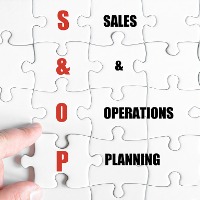
Sales and Operations Planning (S&OP) is a powerful process that integrates the sales and operations teams of a company to improve planning and collaboration, optimize supply chain management, and drive better business outcomes. In this blog post, we'll discuss the basics of S&OP and its benefits.

Data is everywhere We are in the age of data, it is all around us and drives our daily decision making. From the morning commute to the purchase of an afternoon coffee, we rely on data to drive how we participate in the world. As the world evolves data volumes grow with it and it can be a lot to manage. For our ...

Turn Sustainability Hype into Real Benefit If you work in Financial Planning & Analysis (FP&A) you regularly use financial metrics or KPIs (Key Performance Indicators) to measure and manage performance. As FP&A extends into xP&A (Extended Planning & Analysis), non-financial operational metrics ...

A Little ESG Background According to Gartner, an analyst firm, environmental sustainability will become a top-five strategic priority for at least 25% of CEOs by 2025, which is a lot higher than the less-than-five percent it has been over the past ten years.

If you work in the wholesale trade/distribution industry, life is probably very interesting right now. Even at the best of times, wholesale distributors face immense complexity, juggling large numbers of product SKUs, and managing massive volumes of transactions with both suppliers and customers. Layered onto all this ...

There are myriad business reasons to cultivate an inclusive culture, and here are a few examples:

Having missed Adaptive Live the past couple of years due to the global pandemic, it was very exciting to be back in person at Workday Rising 2022 last week in Orlando! Between in-person and virtual, there were roughly 19,000 attendees! If you couldn’t attend, I’d suggest blocking off your calendar for next year’s ...
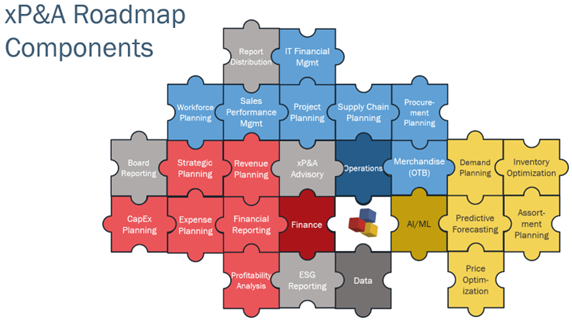
Few are more affected by supply chain disruptions than the distributors who make up the Wholesale Trade industry. As intermediaries between manufacturers and final customers, distributors add value in myriad ways including repackaging, inventory management, and logistics which means their businesses are especially ...

Every company plans. Historically, corporate financial planning has been a predictable, sometimes painful, process that brought managers together to make decisions about future company direction and priorities, while also providing a benchmark against which to measure performance.

The world of planning and analysis has been experiencing a fundamental shift in recent years. If you are unfamiliar with xP&A, short for eXtended Planning and Analysis, you may not be aware of this shift. So first, what exactly is xP&A? Directly quoting Gartner, “xP&A is the evolution of planning, ...

Demand planning is a critical cross-functional process, which helps to align and forecast customer demand for a product or business. It aids to optimize inventory management, avoid supply chain disruptions, and minimize supply chain inefficiencies. It also helps to increase overall customer service level, customer ...

As investors focus on environmental, social and governance (ESG) issues, they are increasingly asking companies to provide information about their performance in these areas. ESG reporting is becoming an expectation of investors and will soon be an SEC regulatory requirement. Many companies have started tracking their ...

Supply chain is considered part of every broad and little aspect of business (including raw material acquisition, product distribution, and customer service) and the Supply Chain function has added tremendous value and strengthened operational efficiency. It has also embraced a lot of uncertainty, including demand ...

Businesses are dealing with very uncertain times in supply chain management, as every aspect is under a microscope. For supply chain executives dealing with these challenges and the resulting disruption, it has become important to manage unpredictable demand efficiently and optimize inventory in the network to support ...

The world of business is always changing. To keep up, companies must embrace new technologies and methods to streamline their processes. One area that can be greatly improved with automation is revenue forecasting. Automated revenue forecasting can reduce the amount of time spent on data gathering and analysis, ...
Inclusive cultures strive to make people – all people - feel valued and proud of who they are. Statistically, diversity in the workplace indicates that inclusive companies are more likely to create a workforce that reflects a variety of backgrounds, experiences and needs. Often though, for a number of reasons, there ...

It’s not easy being a CIO these days. Not only are you expected to keep the technology infrastructure purring along smoothly (e.g. “let’s all just work from home!”) and safely (e.g. “we can’t afford to be hacked!”) in the face of unrelenting external pressures, but you must also be an active participant in satisfying ...

Forecasting is a discipline that reduces companies' exposure to risk. The process of forecasting alerts us to upcoming shortages in supply or demand, allowing us to take precautionary measures before we find ourselves in a negative cash-flow scenario. Forecasting is truly a critical business function within any ...
It is no secret that analytics and planning projects are based on data. Typically projects involve wrangling some historical datasets, each with their own peculiarities, and then adding in some projection or prediction. Because data is essential, it is also a common stumbling block as business users consider beginning ...

QueBIT routinely works with clients that have either selected a poor-performing planning software tool, or who are suffering from the poor implementation of a good planning software tool. Both of these scenarios-- bad software and a bad implementation-- can dramatically hinder the cross-functional planning process and ...

In the two decades since QueBIT was founded, we have often been puzzled by the slow pace of change in enterprise planning and performance management. As recently as 2019 we attended a CFO symposium, only to be surprised at how the case study presentations around revenue and expense planning, headcount and capital ...

Upon releasing the new version of Planning Analytics Workspace (PAW) 2.0.71 SC, IBM has also announced some important information regarding the use the of older versions for their Cloud clients. With the release of PAW version 2.0.56 in October 2020, IBM completely updated the PAW tool with a brand new user ...

With evolving regulatory requirements, ever growing product lines and no shortage of legal entities, allocations are critical for every insurance organization’s financial reporting process. An effective allocation process always starts with a good design, and in this blog post I will outline several best practices to ...

Most organizations realized in 2020 that their traditional, manual planning processes were inadequate at best, and a liability at worst. QueBIT and its software partners specialize in helping clients move from disconnected, siloed planning into a collaborative and agile planning process turbocharged by automation and ...

Anaplan offers various ways of integrating data into the platform. The decision of how to import and export data is dependent on the context surrounding the use case. Who is going to own the data integration process moving forward? What technical know-how do they currently possess? What does your data architecture ...
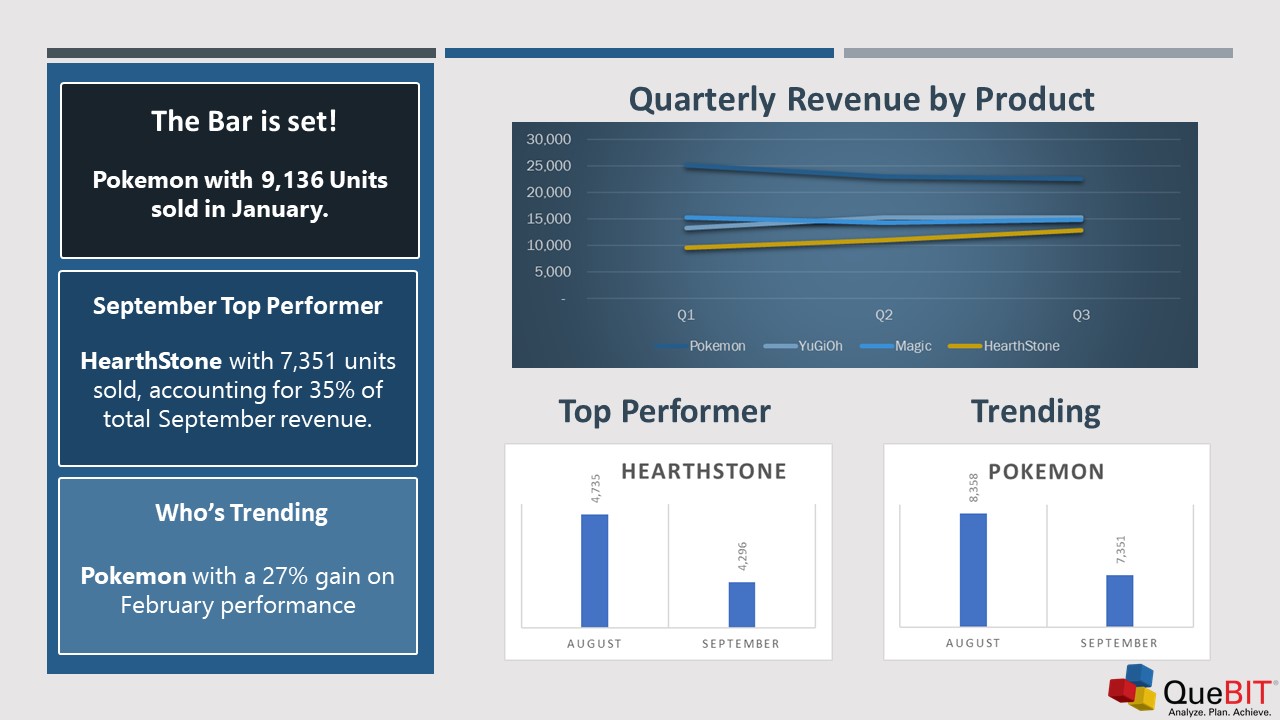
I am not a Finance guy, but as a Product Manager at QueBIT, I am part of a team that spends equal if not more time fretting over and fine-tuning User Experience (UX) than building new functionality into our software offerings. One of the things that I’ve found revealing in my years at QueBIT is how the same is true in ...

Oracle and SAP have long dominated the market for Enterprise Resource Planning (ERP) software, the software companies use to run their businesses. Simply put, ERP software can manage all day-to-day business activities including accounting, procurement, invoicing, supply chain operations, workforce management and more. ...
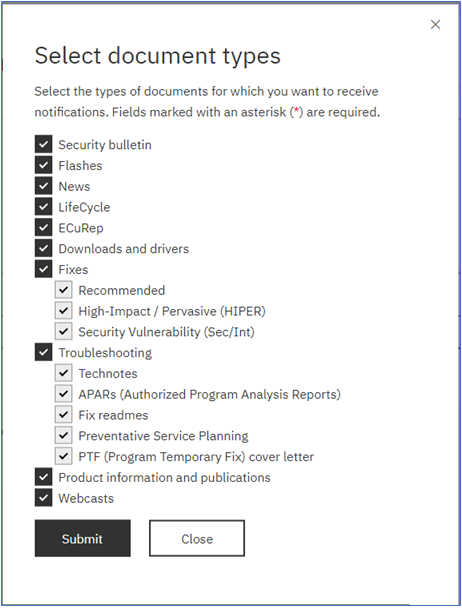
IBM produces a great deal of information for clients and business partners to help support the ongoing use of Planning Analytics (PA). One communication tool they have is based on subscribing by product to a list of possible notifications. For example, if you are a PA administrator, you may find the general “News” ...

The busiest time of the year is right around the corner for many FP&A (Financial Planning & Analysis) professionals. Even though some organizations have moved towards continuous planning - typically rolling 12 – 18-month forecasts refreshed quarterly or even monthly – there is still a benefit to stopping and ...
Per Gartner, an analyst firm, a financial key performance indicator (KPI) is a leading high-level measure of revenue, expenses, profits, or other financial outcomes, simplified for gathering and review on a weekly, monthly or quarterly basis. This information truly projects the health of the organization, both in the ...
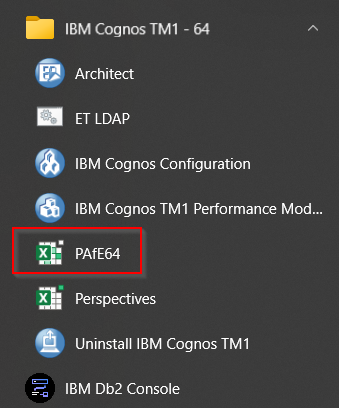
Installing IBM® Planning Analytics for Excel just got a lot simpler. The new single XLL file for using IBM Planning Analytics for Excel (PAfE) has cleared up a lot of installation issues by altogether eliminating the software installation package. As of PAfE 2.0.65, a single XLL file in either 32-bit or 64-Bit Excel ...

Partnerships are all about connecting the people and processes of multiple organizations to drive better results for the partner entities and their customers. We are pleased to announce the addition of Anaplan, the leader in “Connected Planning”, to QueBIT’s planning and analytics portfolio.

Buoyed by the reopening of markets, many industries have witnessed an increase in their capital spending. Morgan Stanley, a leading banking firm, has predicted that investments will soar to a high of 121% of the pre-pandemic levels by the end of next year. According to Morgan Stanley, we're entering a red-hot CapEx ...

xP&A – eXtended Planning & Analysis - a term coined in 2019 by Gartner, represents an evolution of traditional Financial Planning and Analysis (FP&A) towards integrated, continuous enterprise planning breaking down barriers between finance and operational functions including HR (Human Resources), Supply ...
Until as recently as 2018, the term xP&A (eXtended Planning & Analysis) didn't exist. It was coined in 2019 by Gartner to visualize the evolution of Financial Planning and Analysis (FP&A). It was typical of the finance team, before 2019, to work in a silo - they alone were responsible for all the data, ...

IBM Think 2021 was 100% virtual and offered for free, though certain Labs and Roundtable sessions were by-invitation only. QueBIT mostly attended free and on-demand sessions during the North American event on Tuesday May 11, 2021. There were parallel events for other regions (APAC & Japan, EMEA & India) which ...

Today's digital economy has not only increased competition across geopolitical boundaries but has also disrupted traditional business models. To succeed in a world fraught with economic uncertainties that have only been accelerated due to the pandemic, businesses need to realign their operating models to become more ...

Today's customer has high expectations - they know exactly what they want and how they want it. Moreover, they're not scared to take it from whichever company offers the best deal. They're no longer attached loyally to a single brand. After all, the competition out there is so stiff, there'll always be a better ...
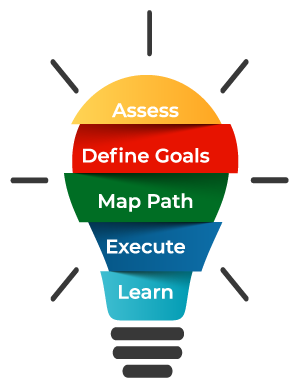
Coined by Gartner in 2019, the term xP&A stands for Extended Planning and Analysis. Often touted as a rebranded and overhyped version of Integrated Business Planning by many pundits, Gartner claims xP&A is much more than just that. In this article we will offer arguments to support this contention.

To all PA Cloud customers:
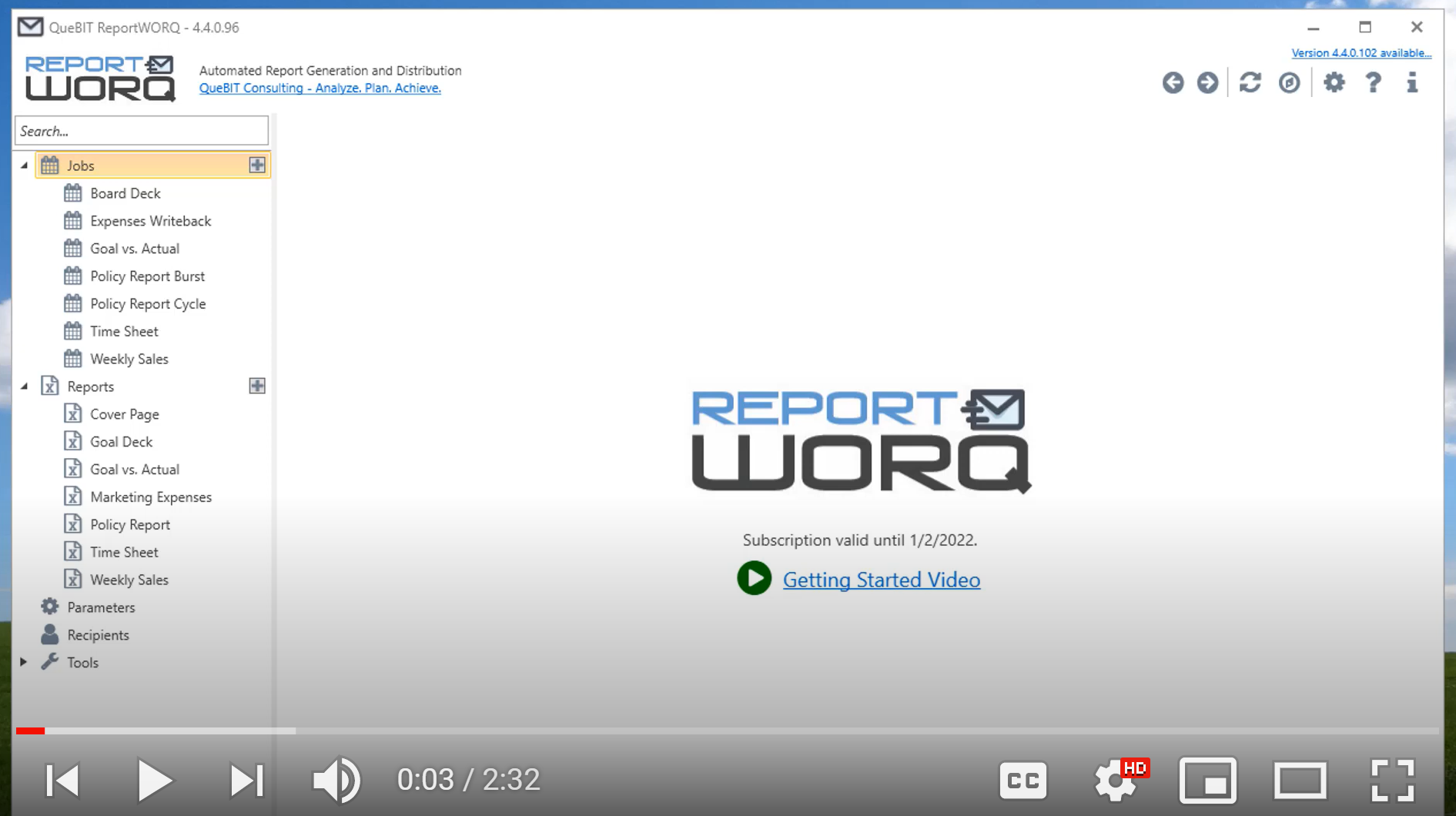
Robotic Process Automation (RPA) boils down to simply automating repetitive tasks, especially the ones where we as professionals add little value in the outcome. The benefits of automation over manual work are obvious and plentiful: time saved, the ability to scale a process or delegate ownership, and reduced risk of ...
When To Use The IBM Planning Analytics REST API (And When Not To)

What is xP&A? QueBIT’s typical client is a Vice-President of Finance, CFO, or an operational executive - say an Inventory manager or Vice-President of Supply Chain. Our typical conversation with them involves an aspect of digital transformation in their planning, analysis or reporting processes; and how technology ...
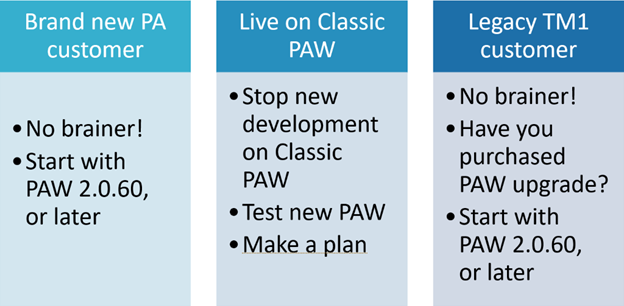
In October 2020, a new user experience (UX) was unveiled for IBM Planning Analytics Workspace (PAW), which we wrote about here. In this article we will share QueBIT’s release recommendations for new PAW.

Data is the fuel of all analytics, whether you want to provide accurate timely information to decision-makers on the front lines, provide a comprehensive customer dashboard to your executives, do a predictive demand forecast or simply complete your annual budget.

You’ve been seeing people push AI and Machine Learning (ML) at you for years. Just about every magazine, research report, and unsolicited email you received in 2020 had an AI or ML angle. Maybe your organization has even talked about how ML can help solve your problems. But chances are, you haven’t implemented it. ...

With the October 2020 release of IBM Planning Analytics Workspace (PAW) 2.0.57, IBM is boldly starting a brand-new chapter for Planning Analytics (TM1) leveraging their open source Carbon design system for products and digital experiences. Going forward, all IBM software products will share the Carbon look and feel.

Artificial Intelligence (AI) and Robotic Process Automation (RPA) technologies are offering new levels of automation and intelligence in the Office of Finance. These technologies are underpinning many digital transformation efforts in finance and accounting. For RPA, which is all about eliminating tedious repetitive ...
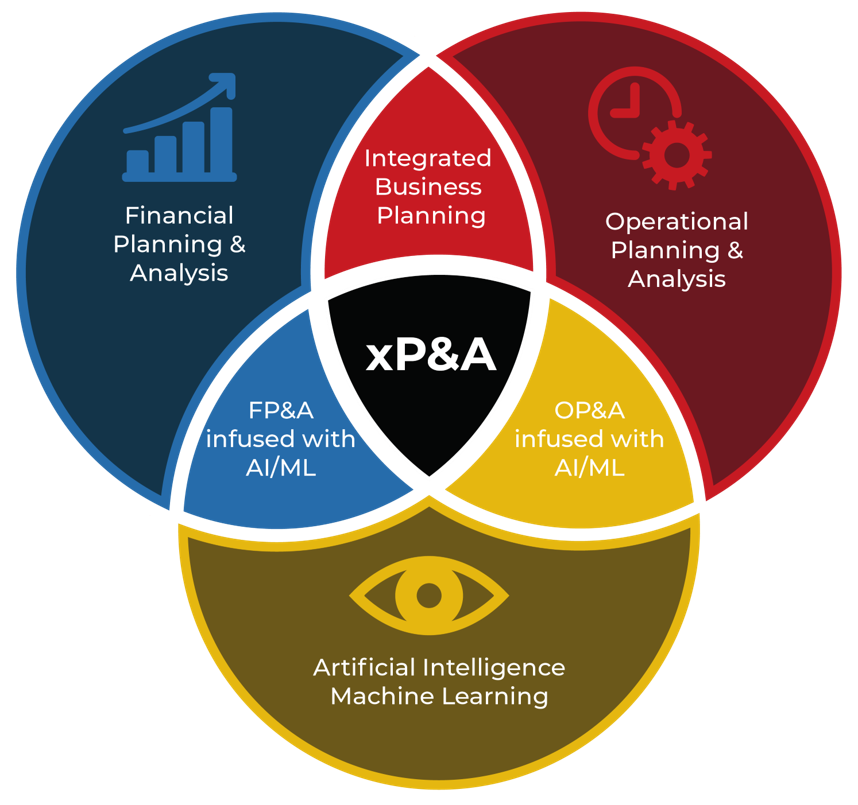
The Office of Finance is increasingly moving away from traditional, score-keeping focused frameworks like CPM and embracing cross-functional planning that is collaborative and strategic.

About 20 years ago my mentor and former boss, Richard Creeth, was introduced to a new company called OutlookSoft that had developed a corporate performance management (CPM) product called Everest on top of Microsoft SQL Server and Analysis Services. Richard was well-known back then as an industry analyst and co-author ...
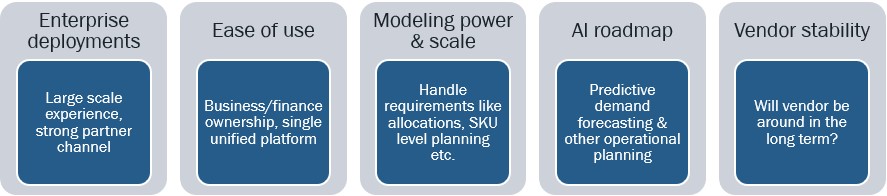
Once upon a time Oracle’s Hyperion EPM (Enterprise Performance Management) solution, built on the Essbase platform, was the market leader for everything “FP&A” (Financial Planning & Analysis) from the annual budget to the rolling forecast, profitability analysis and everything in-between.

Workday Adaptive Planning OfficeConnect makes it easy to develop packets of professional financial reports that need to meet strict layout and display requirements. Using OfficeConnect we’re able to take advantage of all that Microsoft Excel has to offer with layout, design, charting and calculations without giving up ...
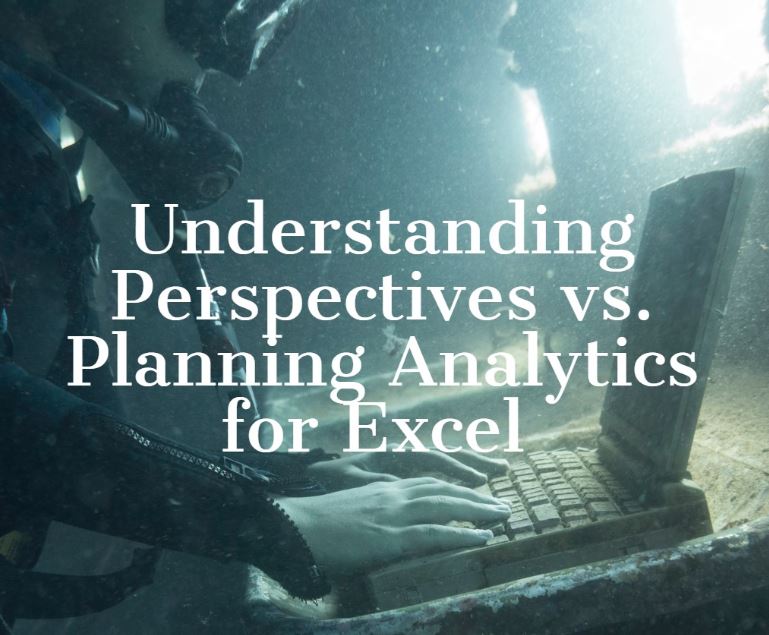
In a previous blog post, we strongly encouraged customers who currently use Perspectives for their Planning Analytics & TM1 Excel reporting to consider making plans to switch to the newer Planning Analytics for Excel add-in (“PAfE” for short, previously called “PAx”). PAfE is designed to support the future of ...

These words are being written in the middle of the COVID-19 pandemic of 2020. Businesses, faced with unprecedented uncertainty, are asking questions such as:

COVID-19 is a 'black swan' event. The pandemic is world changing; old models and old datasets aren’t going to directly apply for quite a while. You will need to rely on human expert analysis of all the complicated legal and emotional factors that are influencing the different markets.
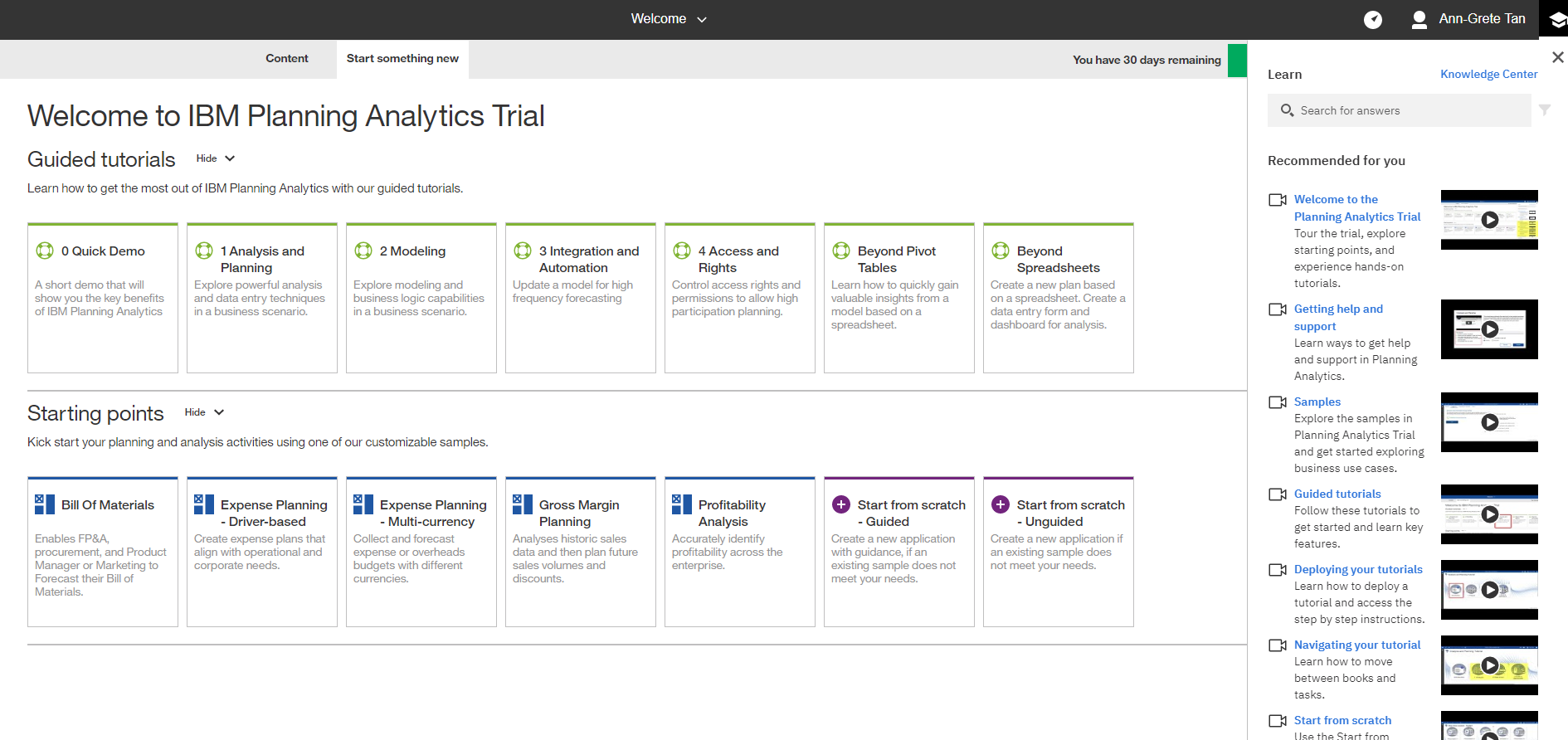
If you have ever worked late on an Excel analysis that required extensive data manipulation or mappings and wondered “could there be a better way?”, then this blog post is for you.
The integration of Microsoft Excel with Planning Analytics, powered by TM1 Server, remains one of the most powerful pieces in the overall planning, modeling, and other solution capabilities provided by Planning Analytics! In a recent webinar of the same name, which you can find in our QueBIT video catalog, we focused ...

If your scenario is such that you are an “on-premise” TM1 or IBM Planning Analytics user and have been “living” in Perspectives and Architect and, until recently, been very happy, but now find that you are struggling, having been pushed unexpectedly into a full time “working from a remote location” situation, you are ...

“Working from home” is all over the news right now. A quick web search yields a broad selection of articles with titles like “What you need to know to start working from home (Forbes)” and “How to work from home without losing your sanity (CNN)”. As a consultant who has mostly “worked from home” for the last 12 years, ...

It’s March 2020, and many companies are facing the reality that the carefully crafted financial plans and budgets they started the new year with are suddenly, and dramatically, out of date. While it’s common to re-forecast after a quarter, it’s less common to have to revisit ALL your budget assumptions wholesale, as ...

Enterprise Resource Planning, or ERP, software is used by businesses of all sizes to support its financial and operational business processes. Most vendors offer a menu of modules that can be combined so that data flows seamlessly from one to another, mirroring information flow through the business.

Since spreadsheets were invented in the 1980s, they have been the tool of choice for anyone doing planning and analysis. Financial analysts use them for the annual budget, the long-term strategy plan, allocations, profitability modeling etc. Sales and operations planners use them for capacity planning, sales planning, ...

Since Design Thinking is a methodology growing in popularity and being taught at leading universities around the world, I thought it would be a worthwhile topic to explore. Just what is this design thinking and how does it compare to other mythologies, such as Agile?

Way back in 2014, I offered some ideas for when there was a need to conduct a performance assessment of a TM1 model with limited time or budget. This scenario often still arises, even though TM1 has evolved into IBM Planning Analytics, so I thought it might be interesting to revisit some of my original recommendations ...

IBM returned to Miami this year with a renamed and somewhat-rebranded version of the conference formerly known as IBM Analytics University. The concept of this new IBM Data and AI Forum was structured around IBM’s “AI ladder” and the rungs of that conceptual ladder: Modernize, Collect, Organize, Analyze and Infuse. It ...

The ASC 606 revenue recognition rules took effect for most public companies in December 2017. This Accounting Standards Update explains how and when your organization would recognize revenue from contracts with your customers. The guideline helps improve the comparability of revenue recognition practices, provide more ...

The field of analytics has exploded over the decade as data itself has exploded. From the phone in your pocket to “smart” toilet paper holders which analyze your “technique” and automatically reorder paper when you’re out (I bet you think I’m joking…I’m not), data and analytics inundate our lives. Harnessing the ...
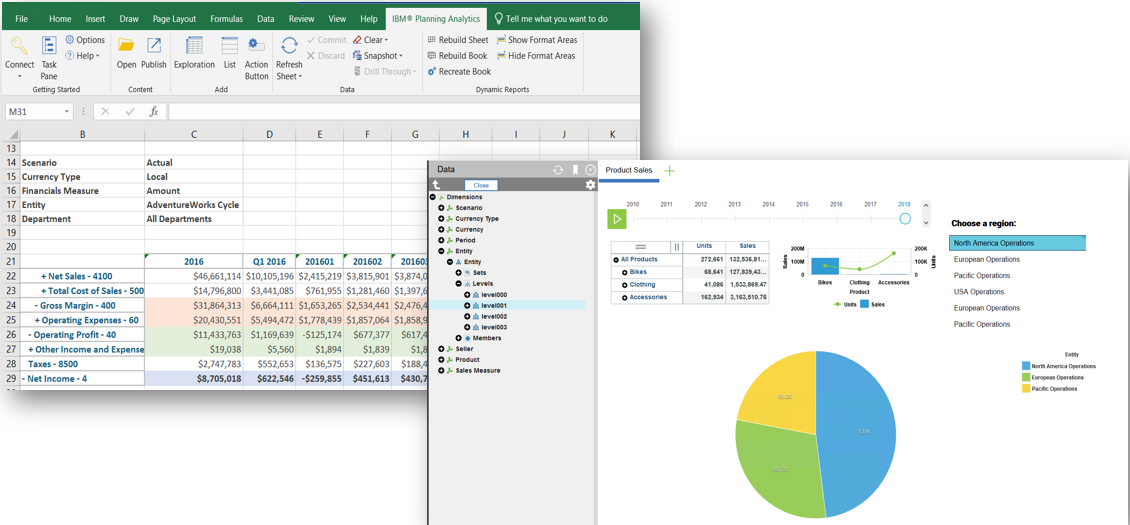
Can we level the playing field and admit off the top that everybody, or more appropriately, every organization plans? This has been a mantra of my colleague A.G. Tan for as long as I’ve had the pleasure of working with her, and it’s no less true today than it was 4 1/2 years ago when I heard it for the first time, and ...

IBM Planning Analytics (TM1) gives us the ability to quickly and effectively prototype a potential business solution demonstrating to stakeholders and others proposed functionalities and capabilities of a design rather than relying on only discussions and theory.

If you are a long time IBM Planning Analytics (TM1) administrator, you may have developed a fondness through the years for a utility called TM1TOP. TM1TOP would tell you what your TM1 Server was up to, which was especially useful if users called to complain that it was “slow” or “hanging”.

We at QueBIT think of Cognos Analytics as more than just a BI tool, but rather as a platform that contains BI tools. Between the introduction of the Exploration tool and visualization insights in the past year, Cognos Analytics has enabled users to explore, understand, model, visualize, and most importantly - share ...
What is Adaptive Live?

I’ve got a lot of stuff in my office. Your house is filled with a lot of things you might not need. And then there’s that lot# on your beverage can. But what is a lot and why does it matter? How can something as arbitrary as a “lot” have real importance in our everyday lives? In the English language the word “lot” is ...

Even with the onset of Artificial Intelligence (AI)’s recent advancements and perhaps new or at least reiterations of all that it promises, some organizations continue to wait or “put off” any serious investigation of the technology.

In an earlier post (IBM Planning Analytics Data Modelling with Context) I stated that when modeling data as part of a planning analytics solution design, context clues should be developed, through a process referred to as profiling and then “built in” to the data.

Planning Analytics Data Modelling with Context In the past, data to be modeled came from a single source and was provided in the same format, typically transactions from a general ledger system. In today’s data driven world, project data can come from a variety of places which, potentially, can influence the data’s ...

In a previous post (Keep the IBM Planning Analytics (TM1) design clean!), I talked about paying attention to the common or “functional” components of a planning analytics model as this is an area that can have a profound effect on the performance, sustainability and usability of the model. But a good clean model ...
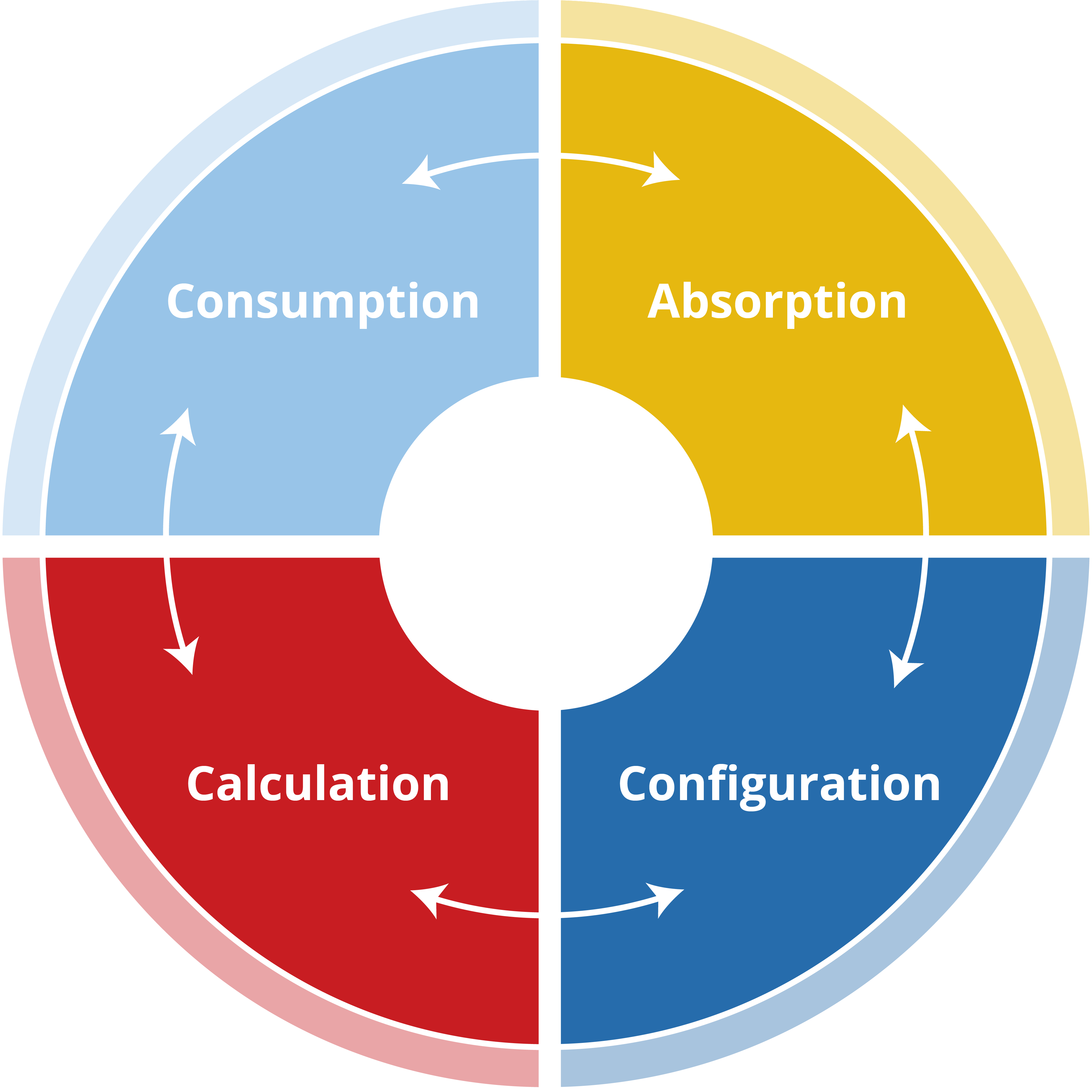
Often you hear about performing an application design review on a IBM Planning Analytics model where both coding and implementation “styles” are compared against “industry proven” practices. During the process, naming conventions, dimensionalities, rule-vs-process strategies, (just to name a few items) are studied and ...

The IBM Watson Visual Recognition Service is one of the many services available on the IBM Cloud platform designed to accelerate and automate the AI Lifecycle by simplifying the most complicated, time-consuming steps within a VR project.

From the time when SAP founders Klaus Tschira, Hasso Plattner, Dietmar Hopp, and Hans-Werner Hector first introduced SAP in 1972, SAP has arguably offered the best ERP available. It has certainly contributed to changing and improving the way that the best performing companies are managed today. Many businesses that ...
Every year Gartner publishes the “Magic Quadrant for Analytics and Business Intelligence Platforms” and when it’s released the first thing people look for is where each technology sits within the square. I have been working in this space for many years with many different technologies and here at QueBIT we are ...

IBM’s global conference event was held last week under the moniker ‘THINK’ for the second year in a row. This year’s conference took over the SOMA district of San Francisco with 30,000 attendees occupying 117 hotels in the area. This marks a break from 12 straight years of a Las Vegas based event, and the blend of ...
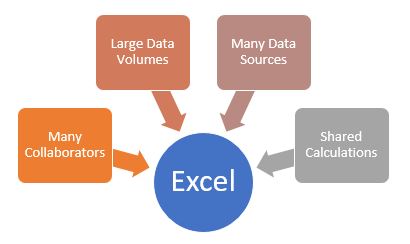
I’d like to give a shout-out to Microsoft Excel, the venerable spreadsheet software. If your job description includes reporting, budgeting, planning or forecasting, you rely on Excel to get your job done. Period.

New to Pax? With the move from Perspectives to the new-and-improved Planning Analytics for Excel – many people are asking “Where is my Print Report?” For those of you who’ve never experienced Print Report before, it was a feature in Perspectives that allowed users to generate reports with multiple sheets or books ...

Cognos Analytics 11.1, augmented intelligence, advanced and embedded analytics, and beyond! The golden era of analytics is upon us; smarter systems, augmented with artificial intelligence, capable of managing and filtering massive amounts of data, empowering end users to make smarter decisions, and delivering major ...

Google “Accounting Scandals” and you will find plenty of Top 5 and Top 10 lists that include companies like Waste Management (1998), Enron (2001) and Tyco (2002). These are famous examples where top executives were caught committing fraud, and were punished with fines and prison time.

On December 13, 2018, Brian Moore and Colin MacDonald from QueBIT conducted a public Advanced Topics webinar on the subject of IBM Planning Analytics and Planning Analytics Workspace. The webinar covered information about upgrading from older versions of IBM Cognos TM1, as well as Tips and Tricks on how to make the ...

IBM wants you (at least 60% of you anyway) to be boundless data explorers. They want you to fearlessly, confidently, and proactively plan, describe, diagnose, predict, and prescribe (actions) based on your organizations' information. They want you to seamlessly move from data prep, to modeling, to reporting and ...

As professionals the exciting and fun part of our jobs is identifying and solving a great challenge that helps drive our business and make us better. However the daily grind keeps us from finding the time and energy needed to be innovative and forward looking. Personally as a software engineer I look to automate every ...

In my previous post, Data Warehouse versus Data Lake – The What and the Why (Part one), I discussed the differences between data lakes and data warehouses and when you would use each pattern. In this post I’ll discuss, at a high level, an iterative process for building a data warehouse.

The Dashboard tool in Cognos Analytics 11.0.12 now has the capability of drilling-through to reports, enabling integration between dashboards and reports, and thus access to more detailed information from high-level dashboards.

How many projects have you been involved with where you told your business partner you have all the data they need, only to find out the data is far from complete or not in a form they can use? How many deadlines are missed as a result? How does this impact your relationship with other parts of your organization?

Blog #4: The six best things from a CFO’s Perspective. As the CFO, maybe you have been happy with Cognos Planning (CP), or maybe you have not. Maybe you are aware of the end user and administrator issues with CP, or maybe you are not. Maybe you prefer being slow to adopt newer technology, or maybe you are not. Either ...

Blog#3: The six best things from an Administrator’s Perspective. Cognos Planning (formally known as Adaytum Planning) has had a good run, but the state-of-the-art solution, with respect to planning and forecasting systems, has moved on since the early 1990s. Today, we have higher expectations, including:

Blog #2: The six best things from a User’s Perspective. Cognos Planning (formally known as Adaytum Planning) has served many companies well since the early 1990’s, but is approaching the end of its life from an IBM support perspective, and the product is no longer being further developed by IBM.

Blog #1: Introduction

The target audience for this blog post is anyone on IBM Cognos TM1 10.2.2, or an older release, who is looking to upgrade to IBM Planning Analytics. TM1 10.2.0 will no longer be supported by IBM after September 2018 (this year) and TM1 10.2.2 will no longer be supported after September 2019.

If you are still on a version of IBM Cognos TM1, it is time to plan your upgrade to its rebranded successor, IBM Planning Analytics.
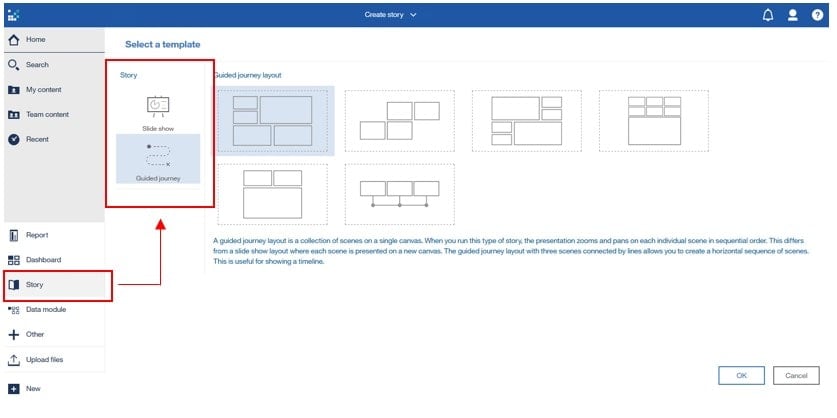
If a picture is worth 1000 words, how many words would it be if you could present your Cognos Analytics data using pictures, and video, and charts, and graphs, and prompts…, all in a guided experience that dynamically, intuitively, and automatically leads your audience through a tailored presentation? I was never that ...
Data Stories…Part III “The Mode”

Data Stories…Part II “The Experience”

Data Stories As the era of information continues to thrive, we seek more and more insight into what this massive volume of data being produced is trying to tell us. What is it saying about our business processes, our business in general, even our lives? Do we see recurring patterns, habits? Are the results of these ...

Using JavaScript in Cognos Analytics has changed since older version of Cognos. In C10, JavaScript could be placed into HTML items within a report. In Cognos Analytics, JavaScript in reports runs through modules (JavaScript will not run if placed in HTML items unless Interactive Mode is turned off). Similarly to ...

If you’ve worked with an implementation partner on a project in the past, you know that it can be challenging to get the project done on time and on budget. Clients often feel frustrated because they don’t feel they can control whether they stay on budget or not, since generally the software is new to them, and they ...

Think 2018, which was held in Las Vegas March 19-22, was as big (about 30,000 in attendance) as it was bold: we are entering “an era of man plus machines” where we will be “putting smart to work in a smarter business”, IBM’s CEO Ginni Rometty said during her Chairman’s keynote address. Much of the buzz around the ...

The benefits upgrading to Cognos Analytics are many, but behind the new face of Cognos, there have been improvements for administrators too. Cognos Analytics has been improved and refined since its general availability (GA) release with Cognos Analytics R9, truly bringing Cognos Analytics to the top of business ...
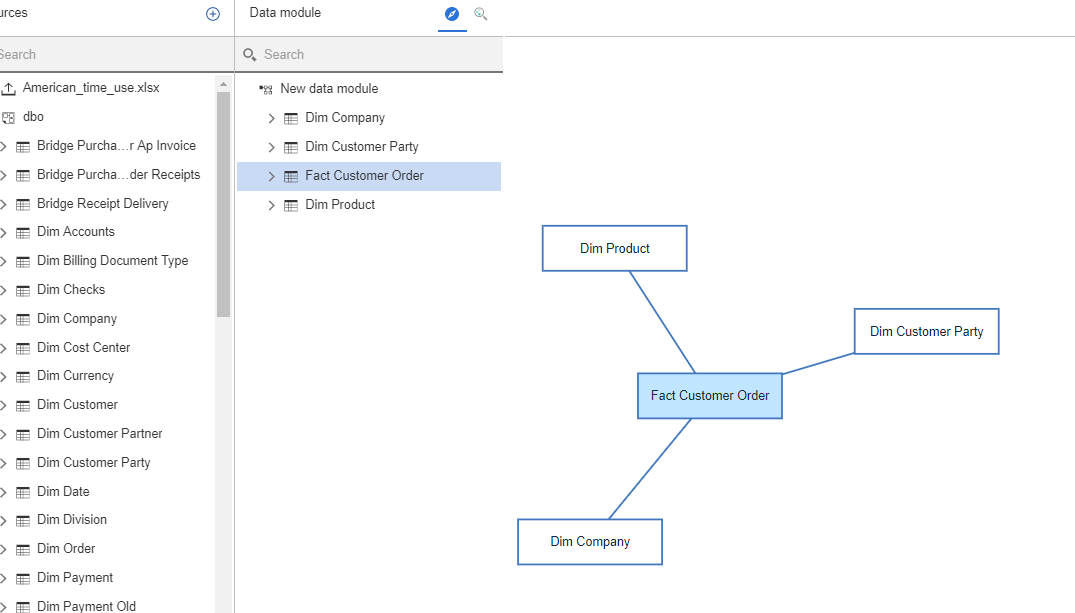
Cognos Analytics Data Modeling Features Working with data should be straightforward and productive, not painful. Users of all data backgrounds can learn to use Cognos Analytics’ web-based data tools to model and report on their data. Uploading and customizing data can now be done in minutes.(check out our latest Data ...
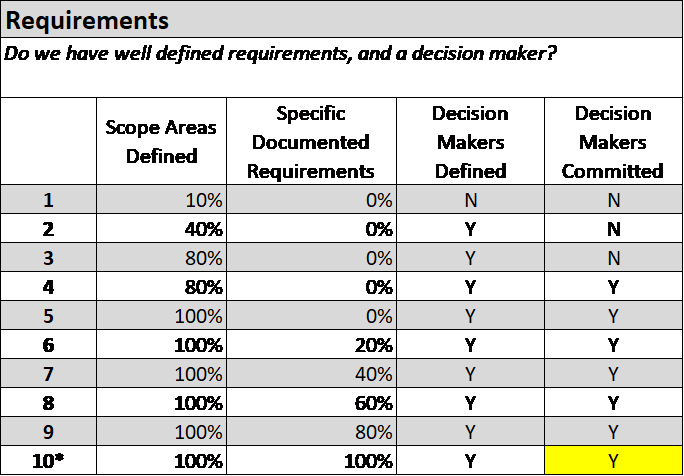

QueBIT launches new Cognos Analytics learning video playlist. QueBIT is proud to announce the launch of a new Cognos Analytics video playlist, which is designed to provide individuals with access to a wide range of expanding business analytics learning opportunities. These videos are created by QueBIT’s in-house ...
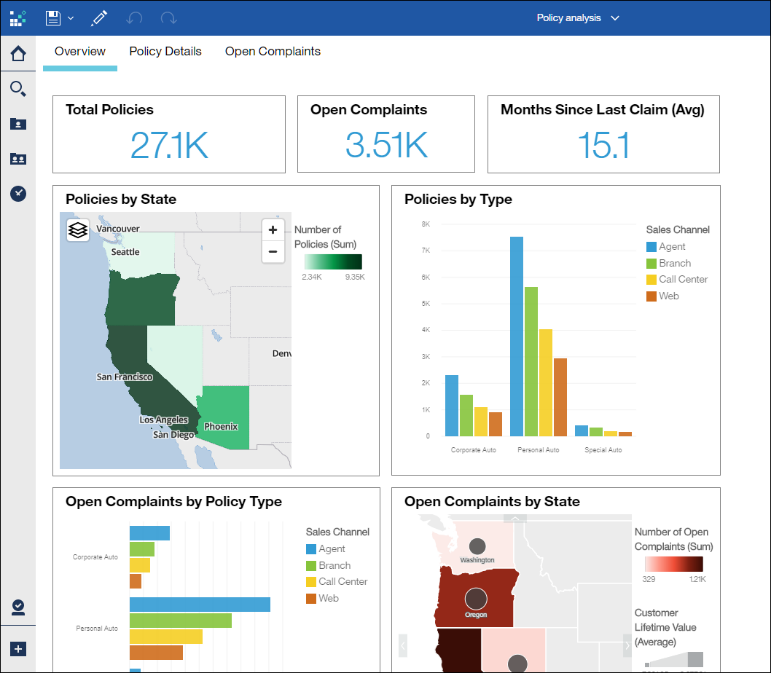
Proactively re-imagine, re-introduce, and reap the benefits of a Cognos Analytics updgrade today! Last year, IBM announced (in somewhat non-committal terms) the end of life for Cognos 10. And while the actual timeline for when IBM will cease support of C10 is not fully clear, the clock is certainly ticking. So rather ...

If you are still using TM1 10.2.2 (or an older version), there are a lot of compelling reasons to upgrade to IBM Planning Analytics (TM1 11).

In the coming weeks, IBM will be rolling out significant improvements to your Planning Analytics Cloud environment to improve stability and conform with the latest security and compliance regulation, known as GDPR (General Data Protection Regulation).
Recently the Wall Street Journal (WSJ) started a firestorm when they published an article titled “Stop Using Excel, Finance Chiefs Tells Staffs” (https://www.wsj.com/article_email/stop-using-excel-finance-chiefs-tell-staffs-1511346601-lMyQjAxMTE3NjMzMDQzNDA4Wj/).
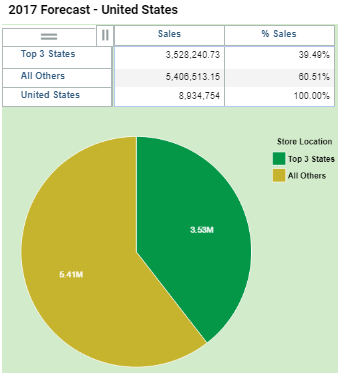
Welcome back to our PAW Pro Tips blog series. In the previous blog, we looked at how to create interactive map visualizations in PAW. In this blog, we’ll show you how to use PAW calculations directly in the workspace, without writing any code.
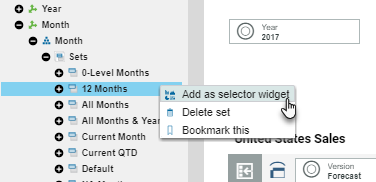
Welcome back to our PAW Pro Tips blog series. In the first blog in this series, we reviewed how to use targeted (asymmetric) selections to hide unwanted data in the PAW cube viewer. In this blog, we’ll look at how to create interactive map visualizations in PAW.

You may have heard about Planning Analytics Workspace (PAW), the “new” web-based interface for IBM Planning Analytics (PA). PAW is only available on PA 2.0 or greater – if you are still on TM1 10.2 or prior, we hope you consider upgrading and getting access both PAW and the new Excel add-in, Planning Analytics for ...

If you know TM1 you already know it is great at aggregating lots of data and doing complex calculations in real time. But did you realize that those same capabilities make it an excellent tool for financial consolidation? As accountants well know, consolidation is more than simple summation. It requires the additional ...

Most of us can probably agree that detecting issues behind how the TurboIntgrator (TI) process is loading or calculating data is a very time consuming and tedious task. In order to have visibility into what is being processed, developers would usually resort to using ASCIIOUPUT() statements in their code, which would ...

When IBM announced the termination of support for Cognos Business Intelligence 10.2.x as of April 2018, the logical consideration followed to potentially upgrade to Cognos Analytics 11. Doing nothing is not an option, as once Cognos 10.2.X reaches end-of-life, your organization would risk downtime with no options for ...

Besides spending time with my family, my two biggest passions are working in the analytics software industry and road cycling. I typically spend my time riding my bike very early in the morning, and then transition into the analytics world for the remainder of the day at work. What’s really cool is that the exercise ...
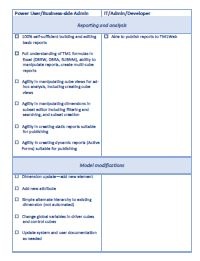
When we build applications for our clients, we always strive for client self-sufficiency. Self-sufficient clients get more out of their applications, have more engaged users, and tend to “do more” with the application, so it’s a worthy goal for all concerned.

In this blog post we’ll discuss how you can take advantage of Multi-Threading to take your TM1 Model performance from a Prius to a Tesla Model S.
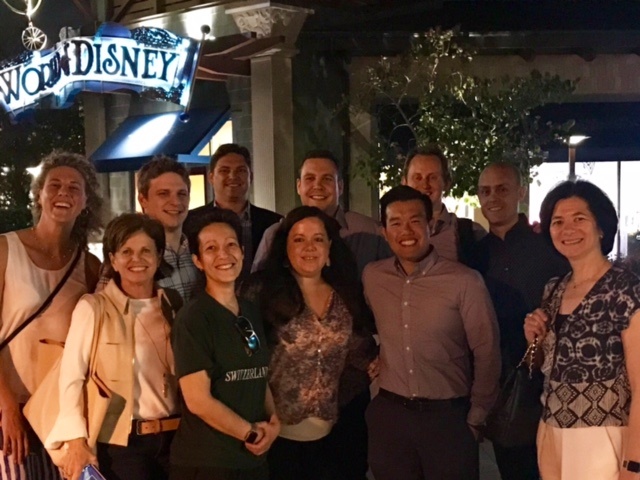
In this blog post we’ll share some of the highlights from this year’s IBM Vision conference, including a look ahead to some of the things that are either coming soon or are even available today from IBM and QueBIT.

Saying that there are similarities between ReportWORQ and Print Report is like saying there are similarities between a landline telephone and today’s smart phones. Sure, you can still make calls on both, but with the smarter technology, you can do SO. MUCH. MORE.

Are you ready to grade your TM1 application? Read on for some questions to help you grade your performance.

If you’re looking at automating a new system, here’s a cheat sheet to help you avoid common pitfalls.
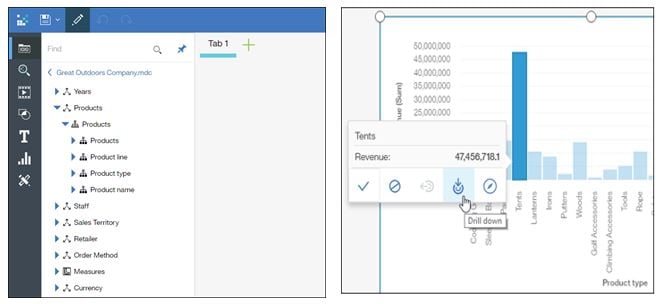
IBM released the latest version of Cognos Analytics (Cognos 11.0.6) on March 17, 2017. Read on for more information about this release.
The AI revolution is here, and the finance teams that adapt their operating model will win. The best time to start was yesterday; the second best is today.